Ways to Cut Construction Costs Without Compromising Quality
Building a new home or renovating an existing one may be highly expensive, especially if decisions are made too late or without a clear strategy. However, decreasing building costs does not have to mean sacrificing quality. Better planning, making simpler design options, and focusing on longterm worth above shortterm appearances are frequently the best ways to save money.
Many people believe that increased costs, premium finishes, and more elaborate designs automatically guarantee higher quality. Sometimes the best-designed houses are the ones that appear simple and functional. Cost effective architecture is rarely about the removal of quality. It’s all about avoiding decisions that cause unnecessary stress during construction and defining precise designs from the beginning.
read more: Architect in Melbourne
Simplify the Design to Reduce Construction Expenses
Complex shapes, irregular rooflines, too many angles and extremely unique buildings nearly invariably increase building expenses. Simplicity in architecture is not a weakness when it is done well. Indeed, simple and restrained designs often carry a certain degree of sophistication. It should be noted that simple floor plans, good engineering, and sensible building designs can all be attributed to time saved on labour, easier engineering, and less construction waste. Good architecture doesn’t need to be complex to make an impact.
Simple architectural decisions also help contractors and experts do their jobs better during the building process. When building details are worked out in a clear and logical way, there are fewer problems on the job site. Most of the time, this means better work, shorter building times, and more accurate budgeting throughout the project.
read more: Architect in South Melbourne
Build Smarter By Focusing On What You Really Need
One of the most effective approaches to minimizing the costs associated with building a project involves posing the right questions that address what really needs to be included. Oversized spaces, more rooms, and larger homes inevitably result in higher labor, material, and structural costs. Consider how the space will be used on a daily basis rather than designing around excess.
Before you worry about the luxuries, plan the space according to how people would use it during the day. When lifestyle demands are given priority the end effect is a project that appears to be planned rather than something that has been overdone.
read more: Essential Modern Building Principles
Choose Budget Friendly Materials with a High End Look
High quality materials do not always imply luxury for the building or property in issue. The careful selection and treatment of materials is more important than their actual quality. When used appropriately, even low cost materials can produce spectacular results. Timber finishes, polished concrete, textured render, and precise craftsmanship, for example, can create a luxurious setting without necessarily costing more.
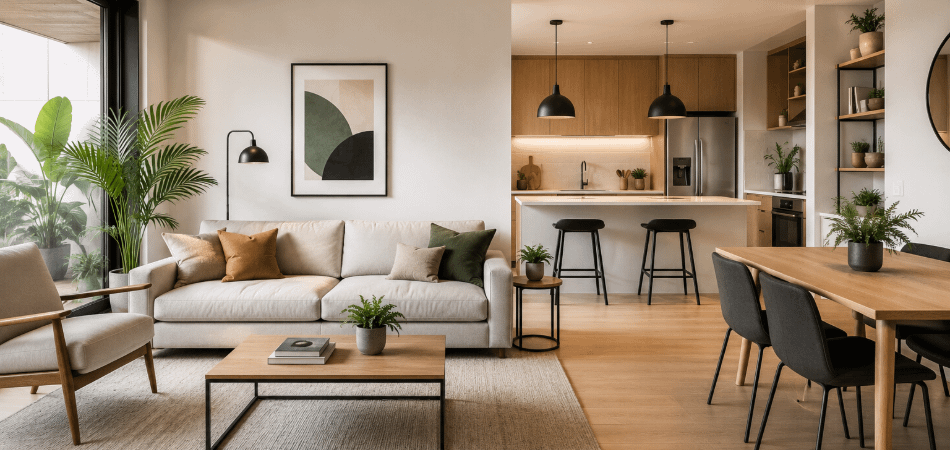
The goal is not to imitate luxury, but to create a consistent, long lasting image. Maintenance should also be taken into consideration and not merely aesthetic value alone. Many extremely costly materials require frequent maintenance or simply deteriorate quickly in some climates. In general, durable and readily accessible materials yield greater long-term benefits than aesthetic-based materials.
read more: Commercial Architects in Melbourne
Use Standard Construction Methods and Elevate the Details
Custom construction approaches and highly experimental systems might easily incur unneeded costs. Standard construction practices are frequently more dependable, cost effective, and easier for builders to implement successfully. The distinction between average projects and great ones usually lies not in the construction method itself but in the details. Well conceived lighting, framing, material joints, and proportion can elevate a building considerably without having to resort to complex, costly construction work. At DW Architects, we believe that getting the right balance between simplicity and elegance yields the best longterm results.
read more: Residential Architects in Melbourne
Plan Energy Efficiency Early to Save Long Term Costs
Energy efficiency works best when it is considered from the start of the design process rather than being included later as a standalone feature. The amount of energy a structure uses over time is influenced by its orientation, natural ventilation, insulation, shading, and thermal performance. Homes that adapt efficiently to climate conditions demand less heating and cooling, resulting in lower longterm utility bills.
In many Australian homes, simple measures such as improved orientation and external shading can significantly reduce reliance on mechanical heating and cooling.Passive design solutions have a considerable impact on comfort levels throughout the year, particularly in Australia, where seasonal conditions can change dramatically. Even minor adjustments, like as window placement or roof overhang depth, can significantly improve a home’s performance without incurring big building costs.
read more: Best Outdoor Living ideas
Work with the Right Architect to Avoid Expensive Errors
Delays, variations, and needless stress might result from unclear drawings, unresolved details, unrealistic budgets, or design decisions made too late. By properly planning the project from the start, a competent architect helps prevent these problems. Costly errors can be greatly decreased with thorough documentation, reasonable planning, and open communication between consultants and builders. An experienced architect is aware of how early choices affect the construction process as a whole. It is usually less expensive to solve issues on paper than to solve them during construction.
read more: Increase Natural Light In Your Home
Compare Multiple Contractor Quotes Before Making a Decision
Rushing into a builder can result in financial problems down the road. Receiving many bids allows clients to understand what realistic market pricing is and to identify discrepancies across contractors. But the cheapest quote isn’t always the safest. Take the time to assess their schedules, communication techniques, and skills. The quoting procedure results in higher quality building processes and fewer disagreements.
read more: Sustainable Architects in Melbourne
Separate Essential Features from Luxury Extras Before You Build
It is not unusual for projects to exceed budgets because of the inclusion of too many non essential elements. When planning the design of any structure, it is wise to distinguish between what is necessary and what would be an improvement if the budget permitted. In general, improvements that are necessary and that make a structure more efficient, comfortable, and durable should take precedence. Any luxuries may be included later.Often it is found that among the greatest value-added features of a structure, there are none that are particularly costly. These include proper lighting, good ventilation, comfortable dimensions, and practical storage capabilities.
Reducing the costs associated with the development and construction process does not necessarily mean having to give up on quality. In most cases, all one needs to do is make well-informed choices, streamline processes, and invest in those elements that truly enhance the way a space works.
DW Architects ensures that all design approaches implemented are practical and well-thought out in an effort to satisfy the aspirations and budget limitations of each project. Architecture must be smart and enduring; it does not need to be overly complex. Through careful planning at the outset, high-quality results can be achieved without compromising cost control.
Frequently Asked Questions
FAQ 1: How can I reduce construction costs without compromising quality?
The best way to reduce construction costs is through careful planning, simple design choices, and selecting durable materials that offer long-term value. Avoiding unnecessary complexity, minimizing design changes during construction, and prioritizing essential features can help keep costs under control while maintaining high standards.
FAQ 2: Do simpler house designs cost less to build?
Yes. Homes with straightforward layouts, regular shapes, and simple roof designs are generally more cost-effective to construct. Simpler designs require less labor, fewer materials, and reduced engineering complexity, which can significantly lower overall construction expenses without affecting functionality or appearance.
FAQ 3: Why is it important to involve an architect early in the project?
Working with an architect from the beginning helps prevent costly mistakes, unrealistic budgets, and construction delays. Early planning ensures that design decisions, energy-efficiency strategies, and building details are resolved before construction starts, reducing the risk of expensive changes later in the project.