
Best Outdoor Living ideas for Stylish and Modern Living Spaces
Good architecture is not only about appearance — it is about designing spaces that work efficiently in real life. A buildable design helps reduce construction complexity, avoid unnecessary costs, and improve long-term functionality. By considering materials, structure, sustainability, and construction methods early in the design process, architects can create practical spaces that are easier to build, maintain, and evolve over time.
read more: Residential Architects in Melbourne
How to Create a Comfortable Outdoor Seating Area for Entertaining
Creating a comfortable outdoor seating area starts with choosing durable, weather-resistant materials that can withstand regular use and changing outdoor conditions. Material composite decking is ideal because it offers long-lasting performance with minimal maintenance.
A well-designed seating layout should include a mix of options such as lounge chairs, rockers, or hammocks to accommodate different preferences and make the space more flexible for guests.
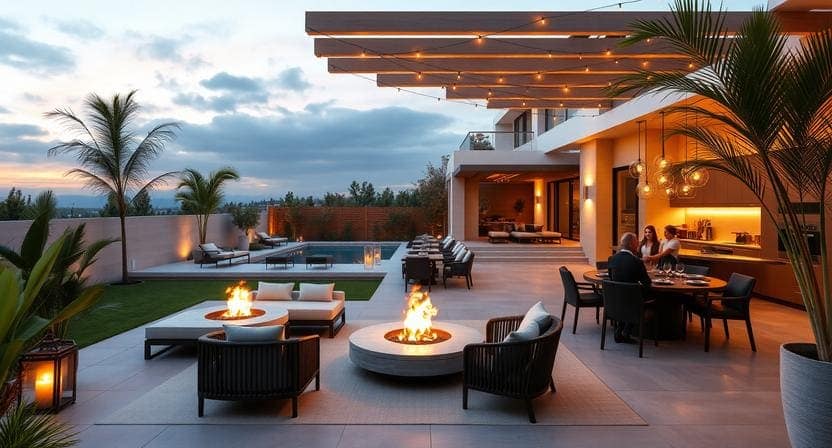
To improve comfort and visual appeal, adding simple accessories like cushions and throws can enhance seating quality while also introducing color and texture to the overall outdoor design.
Designing an Outdoor Dining Area for Functional and Elegant Entertaining
An effective outdoor dining area should prioritize comfort, accessibility, and ease of use, allowing guests to enjoy meals without inconvenience or disruption. The goal is to create a structured dining environment that supports natural conversation and smooth service, rather than improvised or temporary seating arrangements.
A durable, weather-resistant dining set is the foundation of this space. Materials designed for outdoor exposure ensure long-term stability, minimal maintenance, and consistent visual appeal across seasons. Choosing a well-proportioned table and matching chairs helps establish a cohesive and functional layout suitable for both casual meals and formal gatherings.
The positioning of the dining area is equally important. Placing it close to the kitchen or grill improves workflow, reduces unnecessary movement, and makes food and beverage service more efficient. This spatial connection enhances the overall hosting experience and keeps the interaction between host and guests uninterrupted
read more: Architects in Melbourne
Outdoor Lighting Design for Atmosphere and Functional Ambiance
Lighting plays a critical role in defining the atmosphere of an outdoor entertaining space, especially during evening gatherings. A well-planned lighting strategy enhances visibility while also shaping mood, depth, and visual comfort without overwhelming the environment.
String lighting is one of the most effective solutions for creating a soft, continuous glow across patios, decks, or garden areas. When properly installed overhead or along structural elements, it helps establish a warm and inviting spatial framework that naturally encourages social interaction.
Supplementary lighting elements such as lanterns and candles can be used to introduce localized warmth and intimacy. Positioned on tables or around seating zones, they help define smaller social areas within the larger space. In outdoor environments where wind is a concern, battery-operated alternatives provide the same visual effect with greater stability and safety.
For overall site illumination, solar-powered lighting offers a sustainable and low-maintenance solution. When placed along pathways or landscape edges, it
improves navigation and spatial definition while maintaining an environmentally conscious approach to outdoor design.
read more: Sustainable Architects in Melbourne
Fire Pit Design Ideas for Cozy and Social Outdoor Living Spaces
A fire pit serves as a central architectural and social element in outdoor entertainment areas, offering both functional warmth and a strong focal point for gathering. It naturally encourages interaction, making the outdoor space feel more intimate and engaging during cooler evenings.
The design of the fire pit should align with the overall style of the outdoor environment.
Options range from natural stone constructions that blend into landscaped settings to clean, modern designs that complement contemporary architecture. Selecting the right form ensures visual harmony within the space while reinforcing the intended aesthetic direction.
Safety and placement are essential considerations in any fire feature installation. The fire pit should be positioned on a stable, non-combustible surface and kept at a safe distance from surrounding structures and flammable elements. Proper spatial planning ensures both usability and compliance with basic outdoor safety principles.
To maximize comfort and usability, seating should be arranged in a balanced layout around the fire pit, creating an inclusive and cozy environment. Adding soft elements such as outdoor blankets enhances comfort and extends usability into colder seasons, making the space functional year-round.
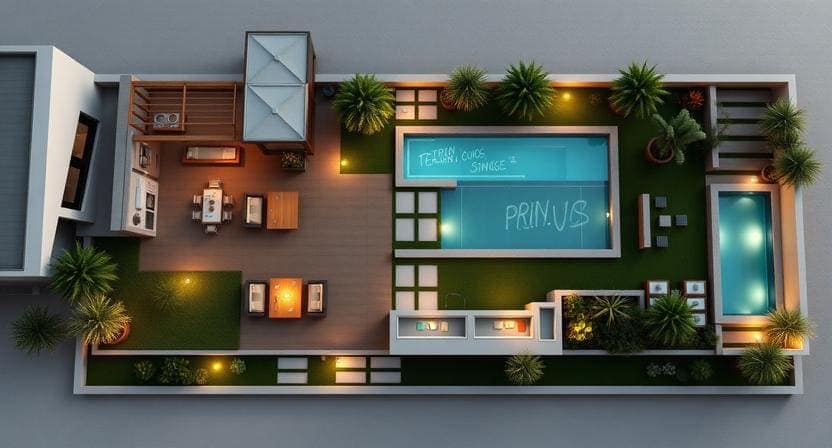
Outdoor Kitchen Design for Efficient and Modern Entertaining Spaces
An outdoor kitchen significantly enhances the functionality of a backyard by integrating cooking, serving, and social interaction into a single cohesive space. This design approach reduces the need for constant movement between indoor and outdoor areas, allowing the host to remain engaged with guests while preparing meals.
A well-planned outdoor kitchen should include essential appliances such as a grill, compact refrigeration, and a sink to support full meal preparation and service. These core elements create a self-sufficient cooking environment that improves efficiency and elevates the overall entertaining experience.
Storage is another critical component in maintaining organization and usability. Built-in cabinets or dedicated shelving systems help keep utensils, cookware, and ingredients easily accessible while preserving a clean and structured layout. In more flexible setups, mobile storage solutions can also be used to adapt the space based on different hosting needs.
To expand functionality, additional features such as a bar counter or a pizza oven can be integrated into the design. These elements not only diversify cooking options but also enhance the social aspect of the space, turning the outdoor kitchen into a central hub for gathering and interaction.
read more: Townhouse Architects in Melbourne
Outdoor Zoning Ideas for Functional and Well-Organized Entertaining Spaces
Dividing an outdoor area into defined zones improves both functionality and guest experience by creating a natural flow between different activities. This approach helps structure the space while still allowing flexibility in how guests interact and move within the environment.
A dedicated lounge zone should focus on comfort and relaxation, typically arranged with sofas, low tables, and soft seating elements that encourage informal conversation. This area sets a calm atmosphere separate from more active or structured spaces.
The dining zone should be clearly defined with a central table and coordinated seating, ensuring an organized setting for meals and social gatherings. Proper placement enhances accessibility and supports a smooth transition between food preparation and serving areas.
For family-friendly environments, a separate activity zone can be incorporated to accommodate children and adults. This may include simple play elements, games, or flexible open space, helping keep different activities balanced without disrupting the overall entertaining experience.
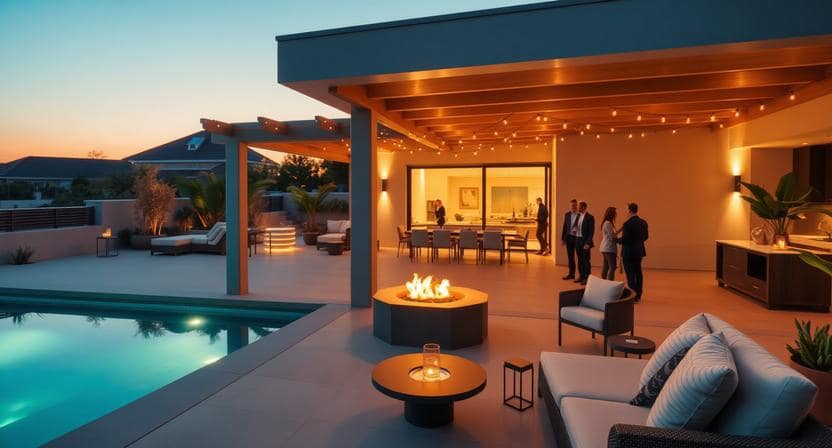
Water Feature Design for Tranquil and High- End Outdoor Spaces
Integrating water features into outdoor environments adds a strong sensory dimension that enhances both atmosphere and spatial experience. The presence of moving water introduces a sense of calm while also elevating the overall design quality of the space.
Fountains are a common focal element in landscape design, offering continuous motion and sound that help define the ambiance of an outdoor setting. When placed strategically, they can act as visual anchors that strengthen the composition of surrounding architectural and landscape elements.
Small ponds provide a more naturalistic approach, blending water with vegetation and aquatic life to create a balanced ecological feature within the garden. This type of installation enhances visual depth and reinforces a closer connection to nature within residential outdoor spaces.
From a practical perspective, selecting low-maintenance systems is essential for long-term usability. Choosing designs that align with lifestyle requirements and maintenance capacity ensures the water feature remains an asset rather than a burden, while maintaining its aesthetic and functional value over time.
read more: Architect in Manningham
Outdoor Entertainment Ideas for Engaging and Interactive Backyard Spaces
A well-designed outdoor entertaining area should include diverse activity options that accommodate different guest preferences and social dynamics. The goal is to create a balanced environment where both relaxed conversation and light interactive engagement can coexist naturally.
Incorporating lawn games is an effective way to add a casual, participatory element to the space. Activities such as cornhole, bocce ball, or croquet introduce movement and friendly competition without requiring complex setup, making them suitable for a wide range of gatherings.
For a more immersive experience, outdoor movie setups can transform the space into a temporary open-air cinema. Using a large display or projection system allows for shared viewing experiences that enhance group interaction in a relaxed setting.
Background music also plays a key role in shaping atmosphere. Curated playlists across different genres can support the overall mood of the event while remaining subtle enough to preserve conversation and social flow.
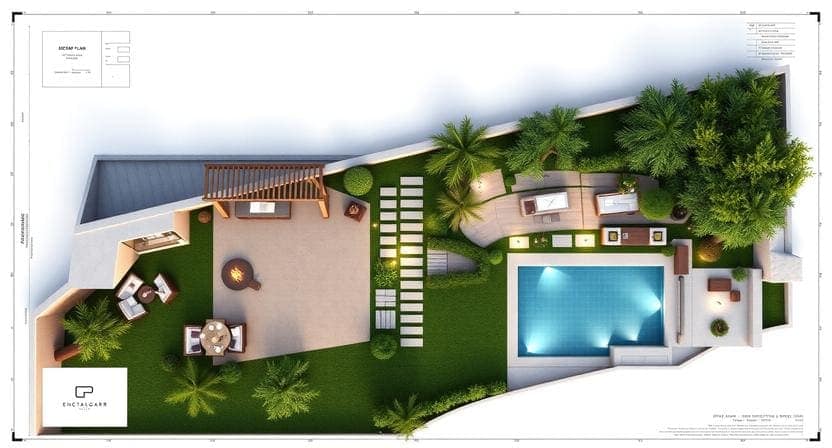
Landscape Styling With Plants and Floral Elements for Outdoor Design
Planting and floral design play a key role in enhancing the visual identity of outdoor entertaining spaces. Beyond decoration, vegetation introduces texture,color variation, and a sense of depth that makes the environment feel more dynamic and naturally integrated.A layered planting strategy is often most effective, combining potted plants, hanging arrangements, and ground-level flower beds. This mix creates visual structure while allowing flexibility in how greenery is arranged and updated over time.
For live landscaping, selecting plant varieties suited to the local climate and seasonal conditions ensures long-term visual consistency and healthy growth. This approach helps maintain an attractive outdoor setting throughout different times of the year without excessive maintenance demands.
From a design perspective, grouping plants with varying heights, shapes, and colors enhances composition and prevents visual monotony. Thoughtful arrangement transforms simple greenery into a deliberate design feature that supports the overall architectural character of the outdoor space.
read more: Architect in South Melbourne
Weather Protection Solutions for Functional Outdoor Living Spaces
A well-designed outdoor entertaining area must account for changing weather conditions to ensure consistent comfort and usability throughout the year.
Integrating shade and shelter solutions is essential for maintaining a controlled and enjoyable environment regardless of sun exposure, wind, or rain.
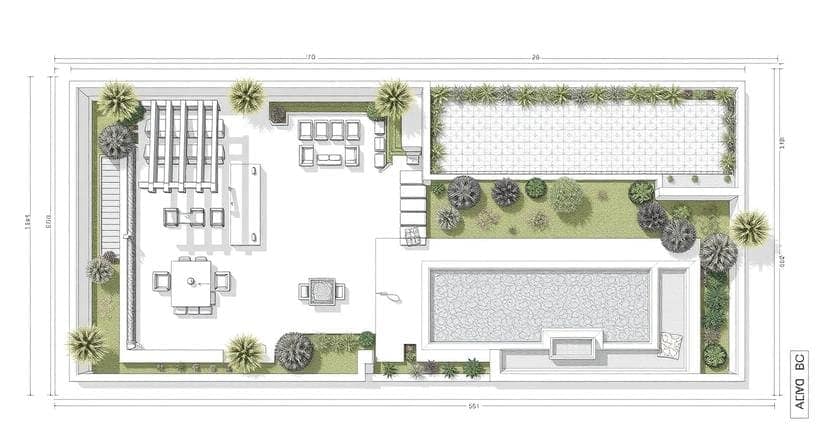
Shade structures such as pergolas, umbrellas, and tensile shade sails help regulate sunlight and reduce heat intensity, creating a more comfortable microclimate within the outdoor space. These elements also contribute to the architectural character of the setting, reinforcing both form and function.For more comprehensive protection, covered structures like gazebos and canopies provide reliable shelter from rain and wind.
These installations allow outdoor gatherings to continue without interruption, extending the usability of the space across different weather conditions.From a design standpoint, flexibility is a key consideration. Adjustable or modular shading systems offer greater adaptability for various event types and seasonal changes, ensuring the outdoor environment remains practical, comfortable, and visually balanced at all times.
FAQs:
1.What are the key elements of a successful outdoor entertaining space?
A well-designed outdoor entertaining area combines comfort, functionality, and spatial flow. It should include clearly defined zones for dining, lounging, and activity, supported by durable materials, balanced lighting, and weather-ready furniture to ensure year-round usability and visual cohesion.
2.How can I make my outdoor space more comfortable for guests?
Comfort depends on both furniture quality and spatial design. Weather-resistant seating with ergonomic support is essential, along with layered textiles such as cushions and throws. Creating flexible seating arrangements and allowing enough circulation space also improves the overall guest experience.
3.What design features improve ambiance in outdoor areas?
Ambiance is shaped through a combination of lighting, natural elements, and focal features. Soft lighting systems, greenery, fire or water elements, and textured materials work together to create depth and atmosphere, especially during evening gatherings where mood is a key factor.
4.Why is zoning important in outdoor design?
Zoning improves usability by organizing space into distinct functional areas such as dining, relaxation, and recreation. This structure enhances flow, reduces clutter, and allows multiple activities to occur simultaneously without interference, resulting in a more efficient and enjoyable environment.
5.What makes high-quality outdoor furniture essential?
Durability and performance are critical in outdoor environments. High quality materials offer resistance to weather, UV exposure, and moisture, ensuring long-term stability with minimal maintenance while maintaining aesthetic quality.
Why is professional architectural design important for outdoor spaces?
Professional design ensures that outdoor areas are not only visually appealing but also functional, sustainable, and well-integrated with the surrounding. Studios such as DW Architects are known for their architectural expertise and detail-driven approach, delivering refined outdoor and residential environments that balance lifestyle, form, and long-term value.
Recent Comments