
How to Maximize Natural Light: 7 Smart Architectural Design Ideas
Natural light plays a fundamental role in modern residential design, influencing comfort, spatial perception, and overall living quality. Bright, naturally lit interiors feel more open, functional, and visually connected, while poorly lit spaces can appear confined and uninviting regardless of size.
Factors such as site orientation, window placement, surrounding buildings, and interior materials all affect how daylight moves through a home. With thoughtful architectural planning, even spaces with limited exposure can achieve brighter and more balanced interiors.The following design strategies highlight effective ways to maximize natural light and improve the atmosphere, functionality, and visual quality of contemporary living spaces.
read more: Architect in Melbourne
1. Improving Poor Orientation for Natural Light
Poor building orientation and tightly constrained sites are among the most common obstacles to achieving well-lit interior spaces. Homes surrounded by neighboring structures or positioned away from optimal sunlight exposure often struggle with dark, enclosed living areas that reduce both comfort and spatial quality.To overcome these limitations, architects use targeted daylight strategies that improve how light enters and circulates throughout the home.
Features such as clerestory windows and internal light wells help capture sunlight from higher angles and distribute it deeper into interior spaces without compromising privacy or layout efficiency.In more restricted conditions where conventional openings are limited, skylights offer an effective solution for introducing overhead daylight while also supporting natural ventilation.
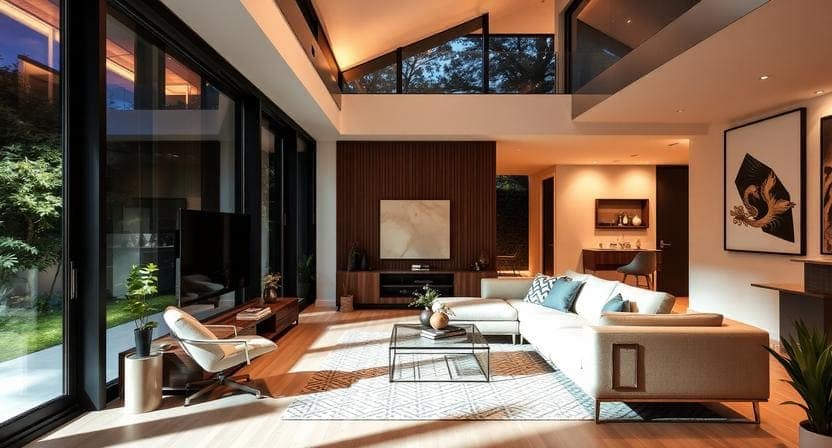
Advanced alternatives, including solar-powered skylight systems that replicate the tone and intensity of natural sunlight, provide an additional option for spaces where direct roof access is not possible.Courtyard-focused layouts can also play a major role in improving daylight performance. By organizing spaces around a central light-filled zone, even narrow or difficult sites can achieve brighter, more open, and visually connected interiors.
read more: Essential Modern Building Principles
2. Multi-Directional Lighting for Brighter Interiors for Increase Natural Light In Your Home
Using multiple light sources is a fundamental architectural strategy for improving both the quality and distribution of natural light within a home. When daylight is allowed to enter from different orientations, interiors become more balanced, dynamic, and responsive to changing conditions throughout the day. Incorporating windows on multiple sides of a space ensures continuous daylight exposure, while skylights provide an effective solution for introducing light into deeper or enclosed areas where wall openings are limited.
This layered approach significantly enhances spatial brightness and reduces reliance on artificial lighting during daytime hours. Where natural light is insufficient, well-integrated artificial lighting can support and extend visual comfort. Modern smart lighting systems are particularly effective, as they can adjust colour temperature throughout the day, mimicking natural sunlight patterns—from cool, bright morning tones to warmer evening hues—creating a more natural and comfortable indoor atmosphere.
read more: Commercial Architects in Melbourne
3. Light-Enhancing Colours and Materials
Colour and material choices have a direct impact on how natural light is perceived and distributed within a space. Lighter tones naturally increase brightness by reflecting more daylight, while darker or matte surfaces absorb light and create a more subdued atmosphere. Cool, blue-based palettes tend to enhance the feeling of daylight and openness, whereas warmer, yellow-based tones contribute to a softer, more intimate ambiance. Similarly, glossy or reflective finishes help amplify available light, while matte textures reduce glare and create visual balance.
A well-considered combination of reflective and matte materials allows architects to control light behavior more precisely, resulting in interiors that feel bright, comfortable, and visually balanced throughout the day.
read more: Best Outdoor Living ideas
4. Strategic Window Placement for Daylight
Window placement is a critical design decision that directly influences how natural light and heat are managed within a home. Well-oriented openings can enhance brightness, improve spatial perception, and contribute to year-round thermal comfort when combined with appropriate shading strategies.
North-facing glazing is often considered optimal in architectural design, as it provides consistent daylight while minimizing excessive heat gain when properly controlled with sun shading elements. This balance supports both energy efficiency and interior comfort across seasonal changes.
Additional elements such as clerestory windows and skylights allow light to penetrate deeper into the building envelope, creating a stronger sense of volume and spatial continuity. When positioned above transitional areas like staircases or corridors, they can effectively illuminate central zones that typically receive limited daylight. Thoughtful window placement, combined with adaptive shading systems, transforms light into a controlled architectural tool that enhances both the functionality and atmosphere of interior spaces.
read more: Sustainable Architects in Melbourne
5. Light Wells for Deeper Natural Light
Light wells are highly effective architectural tools for introducing daylight into areas of a building that lack direct exposure. They work by capturing available sunlight—often from higher or indirect angles—and redistributing it deeper into the interior, improving overall brightness and spatial quality.
In dense urban environments where external openings are limited, light wells and internal courtyards become essential design strategies.
They not only increase the amount of natural light but also enhance reflection and diffusion, creating a more even and comfortable illumination throughout the home. When carefully integrated into the building layout, these vertical or open-to-sky spaces can transform the core of a structure, making enclosed areas feel more open, breathable, and visually connected. This approach is particularly valuable in projects with restrictive sites or challenging orientations, where conventional daylight solutions are not sufficient.
6. Reflective Surfaces for Brighter Spaces
Reflective materials are a powerful design strategy for amplifying natural light within interior spaces. By redirecting and dispersing daylight across a room, surfaces such as mirrors, polished finishes, and high-gloss materials can significantly improve perceived brightness and spatial openness.
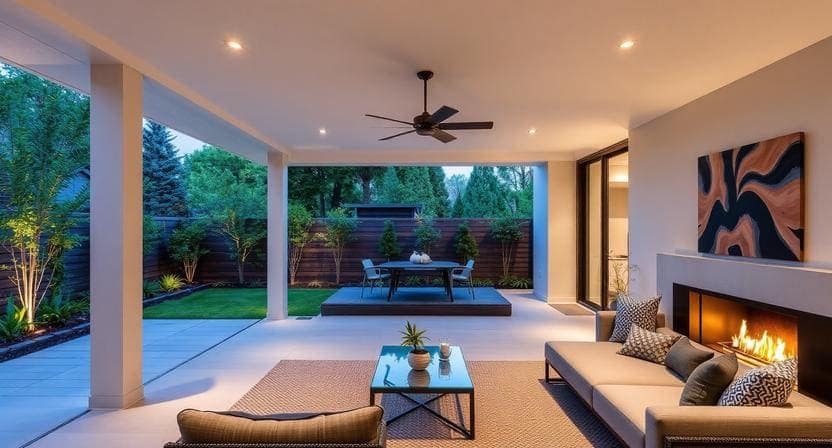
This approach is particularly effective in compact or low-light areas, where increasing actual openings may not be possible. Instead of adding new light sources, reflective elements enhance existing daylight by extending its reach and reducing shadowed zones.When carefully integrated into interior design, reflective surfaces not only improve illumination but also enhance the perception of depth and volume, making spaces feel larger, lighter, and more visually balanced.
read more: Architect in South Melbourne
7. Borrowed Light in Interior Design
In complex residential layouts where direct access to external walls is limited, architects often rely on borrowed light strategies to improve interior brightness. This approach allows natural light from adjacent spaces to be shared, redirected, and diffused into darker or enclosed areas of the home.
Techniques such as internal glazing, frosted glass partitions, and clerestory openings enable light to travel between rooms while maintaining privacy and spatial separation. These solutions are particularly effective in deep floor plans or urban homes where neighbouring structures restrict direct daylight access.
By carefully controlling transparency and spatial connections, borrowed light strategies help create a more continuous flow of natural illumination. The result is a brighter, more cohesive interior environment that feels open, balanced, and visually connected throughout.
read more: Residential Architects in Melbourne
Conclusion
Maximizing natural light is one of the most effective ways to improve the comfort, functionality, and visual appeal of a home. From optimizing building orientation and strategic window placement to incorporating skylights, light wells, reflective surfaces, and borrowed light techniques, thoughtful architectural design can significantly enhance the quality of interior spaces. By combining these strategies, homeowners can create brighter, more energy-efficient environments that feel larger, healthier, and more connected to the outdoors. For homeowners seeking expert guidance,
DW Architects is a leading architectural design firm in Melbourne, specializing in innovative residential design solutions that maximize natural light, spatial efficiency, and contemporary living. With extensive experience in custom homes, renovations, and architectural planning, DW Architects delivers tailored designs that transform challenging sites into bright, functional, and inspiring living spaces.
Recent Comments