
Essential Modern Building Principles
Good architecture is not only about appearance — it is about designing spaces that work efficiently in real life. A buildable design helps reduce construction complexity, avoid unnecessary costs, and improve long-term functionality. By considering materials, structural aspect, sustainability, and construction methods early in the design process, architects can create practical spaces that are easier to build, maintain, and adapt over time.
read more: Architect in Melbourne
Smart Material Selection for Buildable Architecture
Understanding materials early in the design process plays a critical role in creating architecture that is both practical and efficient to build. When architects consider construction methods, structure, and material performance from the beginning, they can reduce costly design issues, improve build quality, and create spaces that function seamlessly in real-world conditions. A strong connection between design and construction leads to more efficient projects, better long-term durability, and smarter architectural outcome
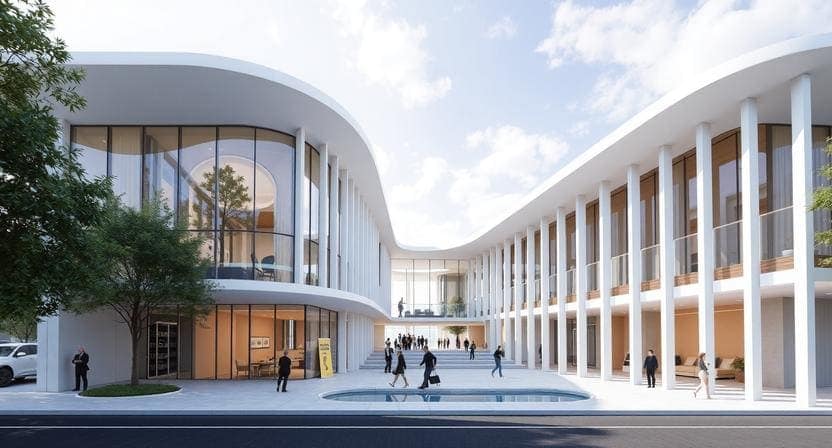
Why Construction Knowledge Improves Architectural Design
Successful architecture depends on more than creative ideas — it requires a strong understanding of how buildings are actually constructed. Architects with hands-on building experience can identify structural challenges, construction limitations, and cost risks early in the design process, helping to avoid expensive changes during construction. This practical approach leads to smarter renovations, more efficient new homes, and architectural solutions that balance design quality, budget control, and long-term functionality.
read more: Architects in Mount Martha
Simple Architectural Design That Works Better
The most effective architectural solutions are often the simplest. Good design is not about adding unnecessary complexity — it is about creating spaces that respond naturally to the site, materials, and the way people live. Thoughtful architecture focuses on integration, ensuring every design element serves both a practical and aesthetic purpose without forcing the building to compete with its surroundings.
In residential developments such as dual-occupancy homes, smart architectural planning can create privacy, functionality, and visual consistency while avoiding repetitive or generic outcomes. By simplifying forms, refining structural layouts, and designing with the context in mind, architects can deliver homes that feel cohesive, efficient, and timeless. This approach improves buildability, enhances long-term value, and creates architecture that remains functional and visually balanced for years to come.
Early Design Planning for Smarter Construction Outcomes
One of the most important aspects of successful architecture is identifying design challenges before construction begins. Careful early-stage planning helps prevent common issues such as inefficient layouts, structural conflicts, poorly placed services, and costly on-site changes that can impact both budget and functionality. A design that looks impressive on paper must also work efficiently in real-world construction conditions.
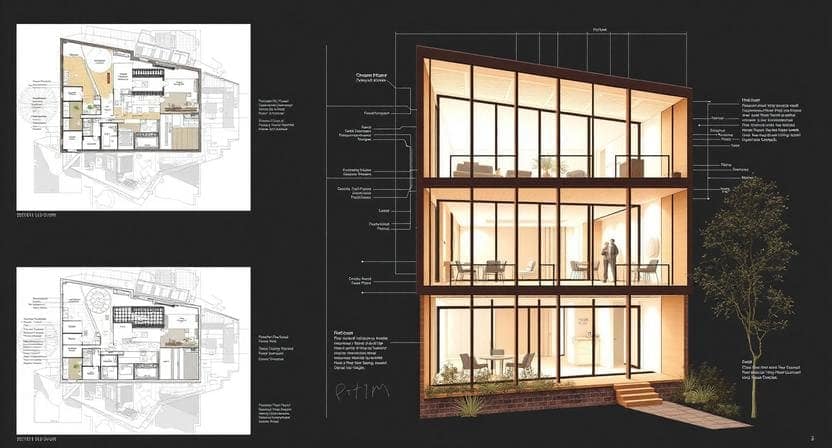
By considering structure, materials’ properties, plumbing layouts, and spatial functionality from the beginning, architects can create more practical and buildable spaces. This proactive approach improves construction efficiency, reduces unnecessary modifications, and ensures the final result feels seamless, functional, and visually refined. Smart architectural planning not only protects the integrity of the design but also delivers better long-term value for homeowners and property developers.
read more: Commercial Architects in Melbourne
Cost-Efficient Architecture Without Unnecessary Complexity
Effective architecture is not about adding more space or expensive features — it is about creating smarter solutions that deliver better functionality and long-term value. One of the most common design mistakes in residential projects is including complex spaces or structural elements that increase construction costs without significantly improving the way people live. Thoughtful architectural planning focuses on identifying practical alternatives that achieve the same outcome more efficiently.
By carefully evaluating how each space will be used, architects can simplify construction, reduce structural complexity, and avoid unnecessary expenses such as oversized basements or inefficient layouts. This strategic approach improves project efficiency, protects the overall budget, and results in homes that feel intentional, functional, and easier to maintain over time. Smart design decisions made early in the process can save substantial costs while creating more refined and liveable architectural outcomes.
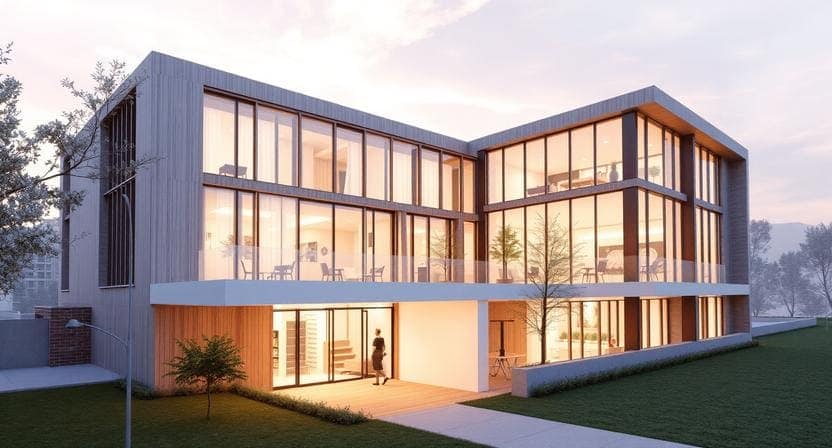
Collaborative Architecture for Better Long-Term Living
Successful architectural projects rely on strong collaboration between architects, builders, consultants, and homeowners from the earliest stages of design. A collaborative approach improves communication, reduces construction risks, and ensures every design decision aligns with both practical building requirements and the client’s long-term lifestyle needs. By involving construction professionals early, potential issues can be identified before they become costly delays or structural compromises.
Good architecture also looks beyond immediate needs. Designing adaptable spaces that can evolve with changing family dynamics, lifestyle shifts, and future renovations helps create homes that remain functional and valuable over time. This integrated design process leads to more efficient construction outcomes, smarter spatial planning, and homes that deliver lasting comfort, flexibility, and architectural quality.
read more: Sustainable Architects in Melbourne
Sustainable Architecture Designed for Long-Term Performance
Sustainable architecture is not only about reducing energy consumption — it is about creating buildings that remain durable, efficient, and functional for decades. Thoughtful material selection plays a major role in long-term building performance, helping reduce maintenance costs, improve durability, and support environmentally responsible construction. Natural materials such as timber, brick, and stone often provide better longevity and ageing characteristics compared to high-maintenance finishes that deteriorate over time.
Energy-efficient architectural design also improves the overall comfort and liveability of a home. By integrating passive design strategies, natural ventilation, thermal performance, and efficient building orientation, architects can create spaces that maintain comfortable indoor temperatures while lowering long-term energy use. This approach delivers homes that are not only visually refined, but also cost-effective to maintain, environmentally responsible, and better suited to modern living.
read more: Architect in South Melbourne
Practical Architectural Design That Maximises Site Potential
Successful architecture responds intelligently to the unique conditions of each site. Factors such as natural views, landscape features, sunlight, privacy, and land elevation all influence how a building should be designed for both functionality and long-term value. A well-planned architectural solution balances visual appeal with structural efficiency, ensuring the home not only looks refined but also performs effectively in everyday living.
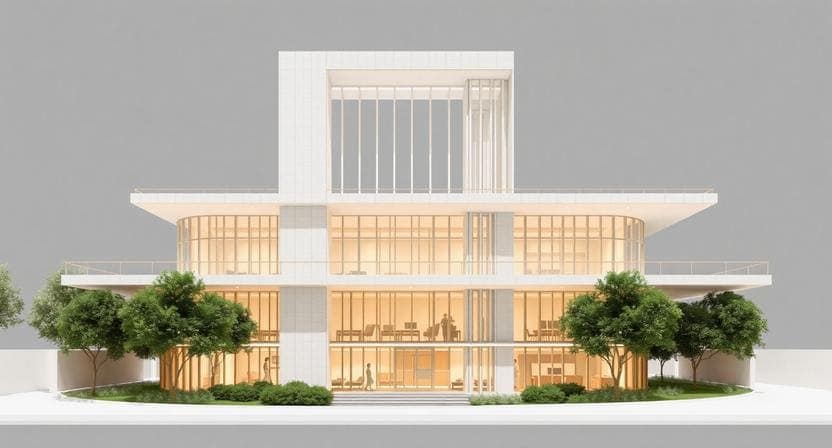
By carefully integrating split-level layouts, natural materials, and efficient spatial planning, architects can enhance usable space while preserving structural simplicity and construction practicality. Designing around the strengths of the site allows homes to capture natural light, improve indoor-outdoor connection, and create a more comfortable living experience. This approach delivers architecture that feels intentional, buildable, and closely connected to its environment while maintaining strong long-term durability and aesthetic value.
read more: Residential Architects in Melbourne
Future-Proof Architecture for Long-Term Value
Well-designed architecture should continue to perform efficiently long after construction is complete. Creating adaptable spaces with durable materials and flexible layouts helps homeowners reduce future renovation costs while maintaining the functionality and value of the property over time. A future-focused architectural approach considers how living needs may change, allowing spaces to evolve without requiring major structural modifications.
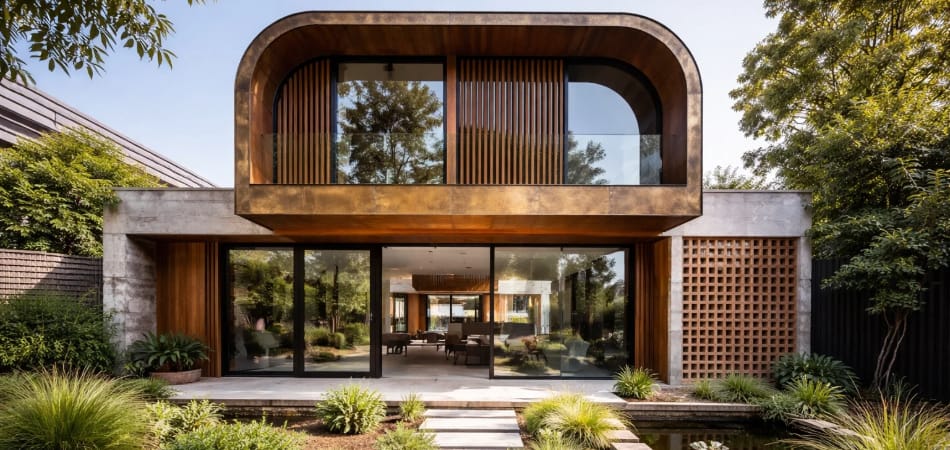
Long-term architectural value also comes from making smart decisions during the early design stage. Efficient layouts, low-maintenance materials, and practical construction methods contribute to homes that are easier to maintain, more resilient to wear and tear, and better suited to changing lifestyles. Rather than following short-term design trends, thoughtful architecture prioritises durability, adaptability, and timeless functionality to deliver stronger long-term investment outcomes.
Integrated Architecture for Better Living Outcomes
High-quality architecture is achieved when design vision and construction practicality work together from the beginning. A well-integrated architectural approach improves build efficiency, reduces unnecessary complexity, and creates homes that are more comfortable, functional, and sustainable over time. Rather than treating construction as a separate stage, successful architecture considers how every design decision will perform in real-world conditions.
Buildable architecture also improves the overall living experience. Efficient spatial planning, durable materials, energy-conscious design, and practical construction methods contribute to homes that are easier to maintain and more enjoyable to live in. By balancing creativity with technical understanding, architects can deliver spaces that achieve strong visual impact while supporting long-term performance, usability, and everyday comfort.
read more: Townhouse Architects in Melbourne
Creating Architecture That Balances Design and Buildability
Successful architecture is not defined by complexity, but by how effectively a design can be translated into a functional and lasting built environment. The most efficient architectural solutions combine creative thinking with practical construction knowledge, ensuring every space is visually refined, structurally achievable, and tailored to the way people actually live. A strong understanding of materials, construction methods, and user needs allows architects to create homes that perform efficiently without compromising design quality.
A collaborative design approach also plays a major role in delivering better architectural outcomes. When architects, builders, consultants, and homeowners work together from the early planning stages, projects become more streamlined, cost-effective, and adaptable to future living requirements. This process leads to architecture that is easier to construct, more sustainable over time, and capable of delivering long-term comfort, functionality, and value.
read more: Architect in Manningham
Choosing an Architect for Smarter and More Buildable Homes
Selecting the right architect is one of the most important decisions in any new home or renovation project. A successful architectural outcome depends not only on creative design ideas, but also on the ability to translate those ideas into practical, efficient, and well-constructed spaces. Specialized architectural firms like DW Architects understand both design and construction, helping homeowners reduce project risks, improve build quality, and create homes that function effectively in everyday life.
A buildable architectural approach also delivers stronger long-term value. By combining thoughtful planning, construction knowledge, and sustainable design strategies, homeowners can achieve spaces that are visually refined, easier to maintain, and adaptable to future lifestyle changes. The result is architecture that balances aesthetics, functionality, and real-world performance to create homes that remain comfortable and relevant for years to come.
Recent Comments